
Ryan Blumenthal is a forensic pathologist who has performed over 13 000 autopsies, working daily in the mortuary to determine causes of death and possible crimes. In Trace, he recounts unusual cases, from shallow graves and suspected poisonings to muti murders, lightning strikes, and other rare accidents. Confronting many forms of unnatural death, he sees himself as a voice for the voiceless, seeking justice for the dead and truth for their loved ones.
Ryan Blumenthal is a forensic pathologist with more than a quarter-century of experience in the field. His first book, Autopsy: Life in the Trenches with a Forensic Pathologist in Africa, became a nonfiction bestseller and was translated into Afrikaans and Russian. His second book, Risking Life for Death: Lessons for the Living from the Autopsy Table, was published in 2023.
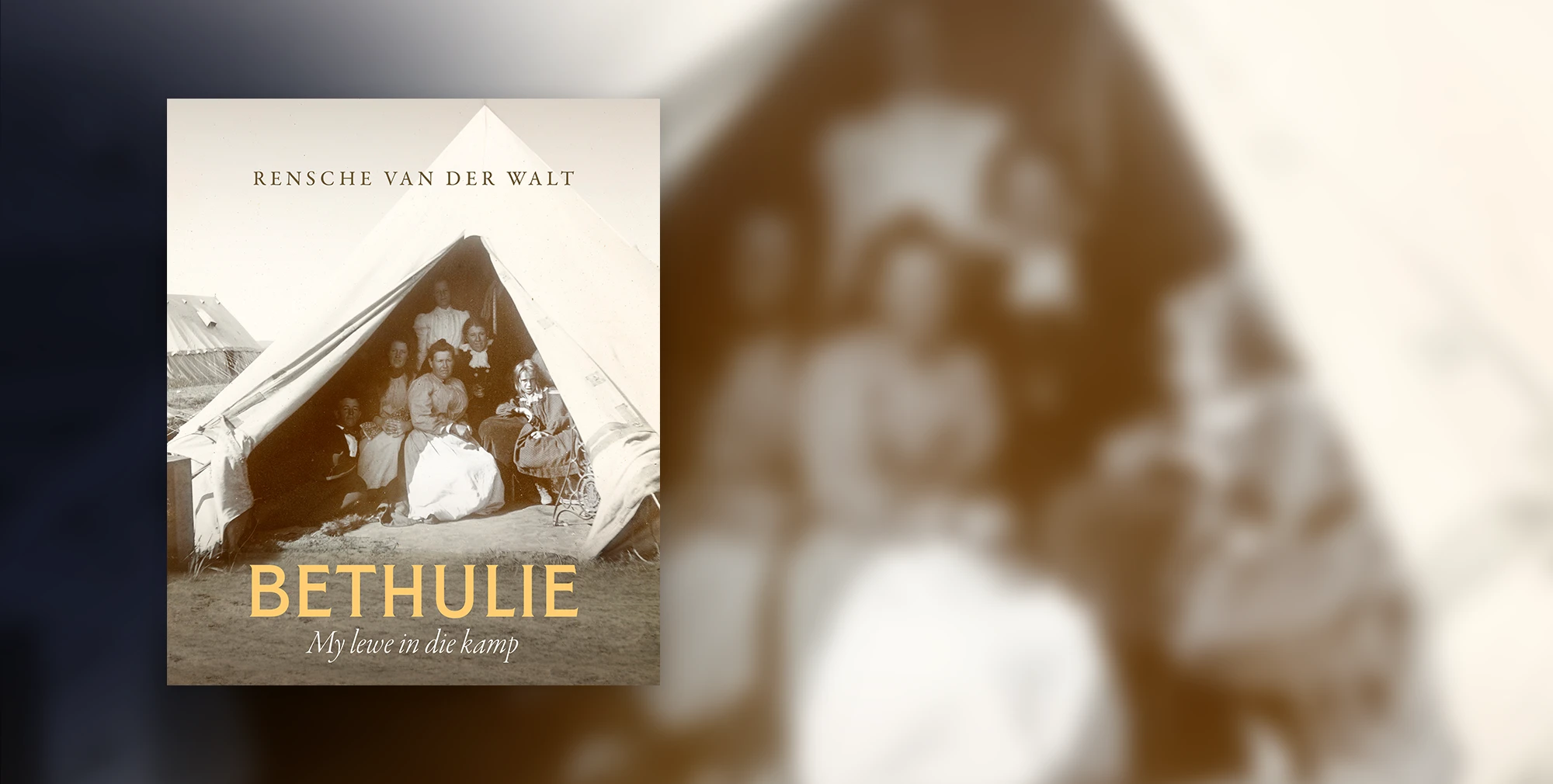
“We are so weak that we are unable to do our work properly. From time to time we have to move the small old tents aside just to rest.” – Translated from the diary of Rensche van der Walt.
The Anglo-Boer War had lasted 18 months when Rensche van der Walt and her family were removed from their farm near Reddersburg by British soldiers. At 23, she arrived at the Bethulie concentration camp and began keeping a diary. Her honest voice describes the harsh daily life among the tents: malnutrition, disease, overcrowding, and exposure to the elements. The camp’s high death rate gains deeper meaning through her frequent accounts of the deaths of loved ones and acquaintances.
Rensche van der Walt was sent to the Bethulie concentration camp in April 1901 together with her mother and three sisters. Two of her brothers were on commando but were later captured. The entire family miraculously survived the war.

We live in a time of rewriting, where books are “read,” and films and dramas are “watched” through consulting reviews. Novels and even short stories are often intermedially rewritten or “translated” into dramas or films. Rewriting is never neutral and depends on the historical, ideological, social, and literary context in which it is newly represented. This book, Herskrywing, representasie en intermediasie, is a theoretical, historical, and practical reflection on, and illustration of, these processes.
Hennie van Coller is a professor of Afrikaans at the University of the Free State and a highly respected literary scholar. As a critic, editor, and poet, he is best known for Perspektief en profiel. Over the decades, he has made major contributions through research, publications, and reviews, and has received several awards, including the Jan H Marais Prize.
Anthea van Jaarsveld studied drama at the University of the Free State and later became a drama teacher at Eunice Girls’ School. She subsequently joined the Department of Afrikaans and Dutch as a lecturer, focusing on the drama genre in Afrikaans, and therefore never left the field of drama and theatre.
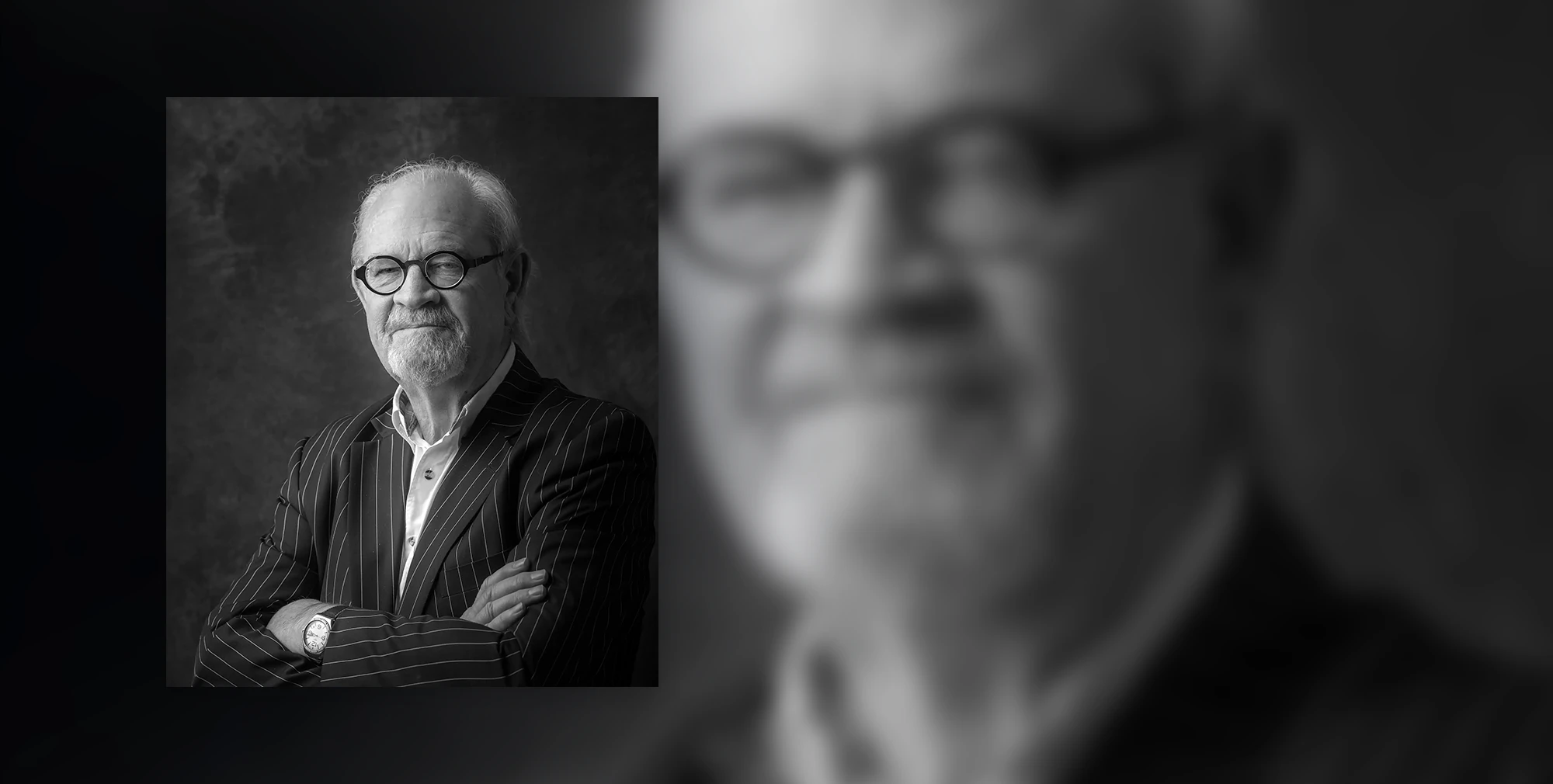
In early 1976, as white South Africans danced to ABBA’s “Dancing Queen,” the Soweto uprising of 16 June shattered any sense of normality. As a young reporter, Max du Preez witnessed the first stones and shots that morning. Raised in a conservative Afrikaner Christian Nationalist family, he began questioning his upbringing and has since witnessed South Africa’s darkest and brightest moments. In The End of Normal, he reflects on apartheid’s roots, the lasting impact of 16 June, and how ordinary people supported injustice.
Max du Preez is a South African author, columnist, and documentary filmmaker, and was the founding editor of Vrye Weekblad. Vrye Weekblad Online was launched on 5 April 2019, again with Du Preez as editor. He is the recipient of numerous awards for his journalism. This is his eleventh book.

Following the success of Valskermbataljon-verhale, a second volume answers strong demand from readers and paratroopers eager to share their stories. Valskermbataljon-verhale II presents honest, firsthand accounts of intense training, combat, camaraderie, and humour, told in each soldier’s own voice. These sincere narratives reflect experiences that profoundly shaped lives. Filled with courage, resilience, loss, and reflection, the book offers insight into the men in maroon – their lives, their bonds, and their extraordinary unit.
Mike Bolhuis, a former member of the Parachute Battalion, is a well-known South African private investigator and founder of Specialised Security Services (S.S.S.). With more than 35 years of experience, he has built a strong reputation in handling serious violent, economic, and cybercrime. His organisation is often regarded as a “last resort”. Grounded in Christian values and a focus on the rehabilitation of victims, he has established himself as a pioneer in the fight against crime.
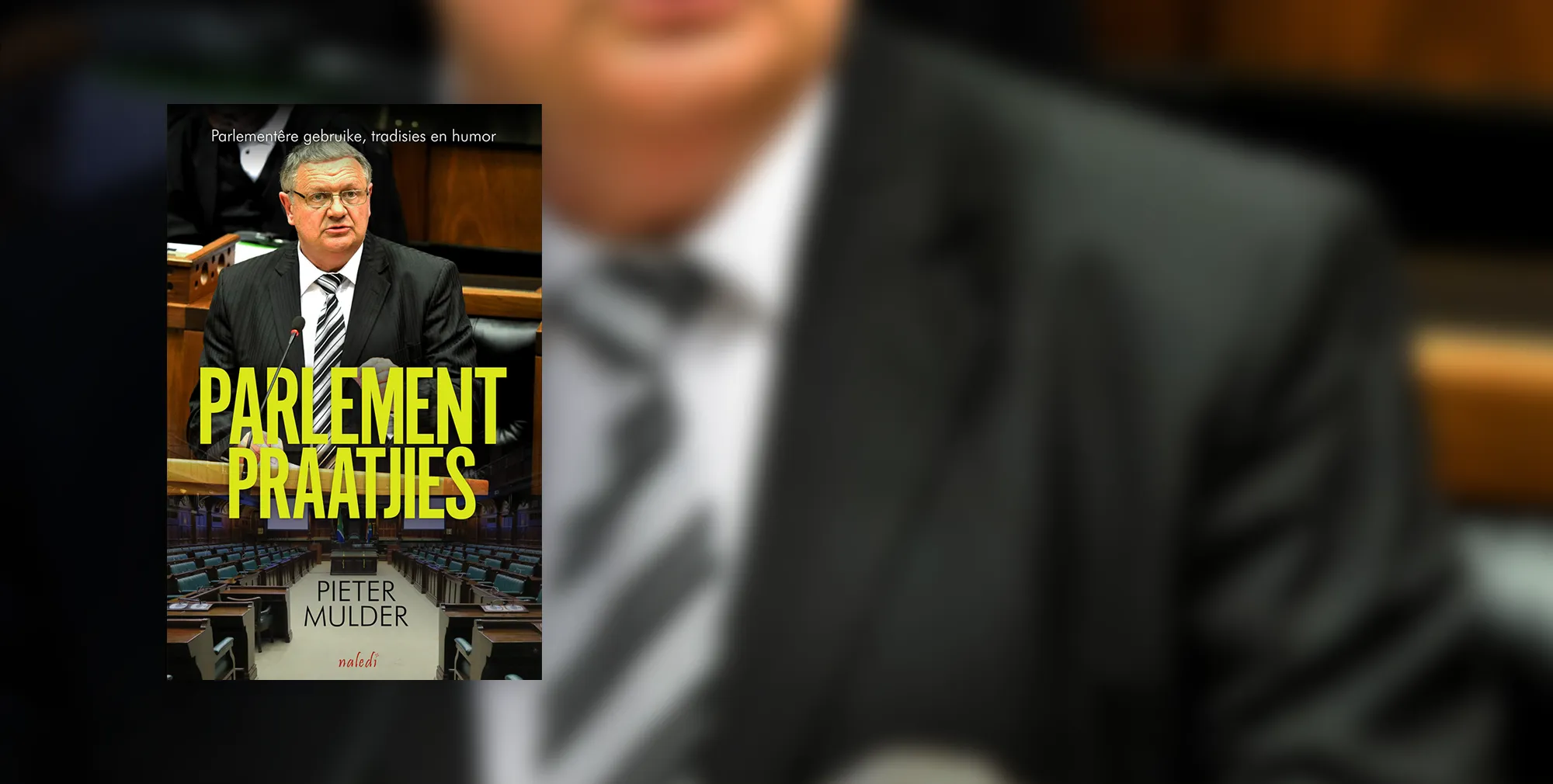
Parliament has peculiar traditions and unique titles for officials – such as speaker, whip, mace, doorkeepers, readings, pairing, and divisions – that can be confusing. Why is a quiet chairperson still called “speaker,” and why must a newly elected one be literally dragged to the chair? Why are bills read twice? This book answers these questions and more in an engaging, often humorous way, with chapters full of true stories about amusing situations and distinctive parliamentary personalities.
Dr. Pieter Mulder was a member of parliament for 30 years and visited numerous parliaments around the world. Before his political career, he was a lecturer, associate professor, and head of the Department of Communication at North-West University, where he also earned his doctorate, and he completed postdoctoral studies in Wisconsin. Drawing on his extensive experience, he has compiled a unique book on parliament, filled with humor and true stories from parliamentary life.
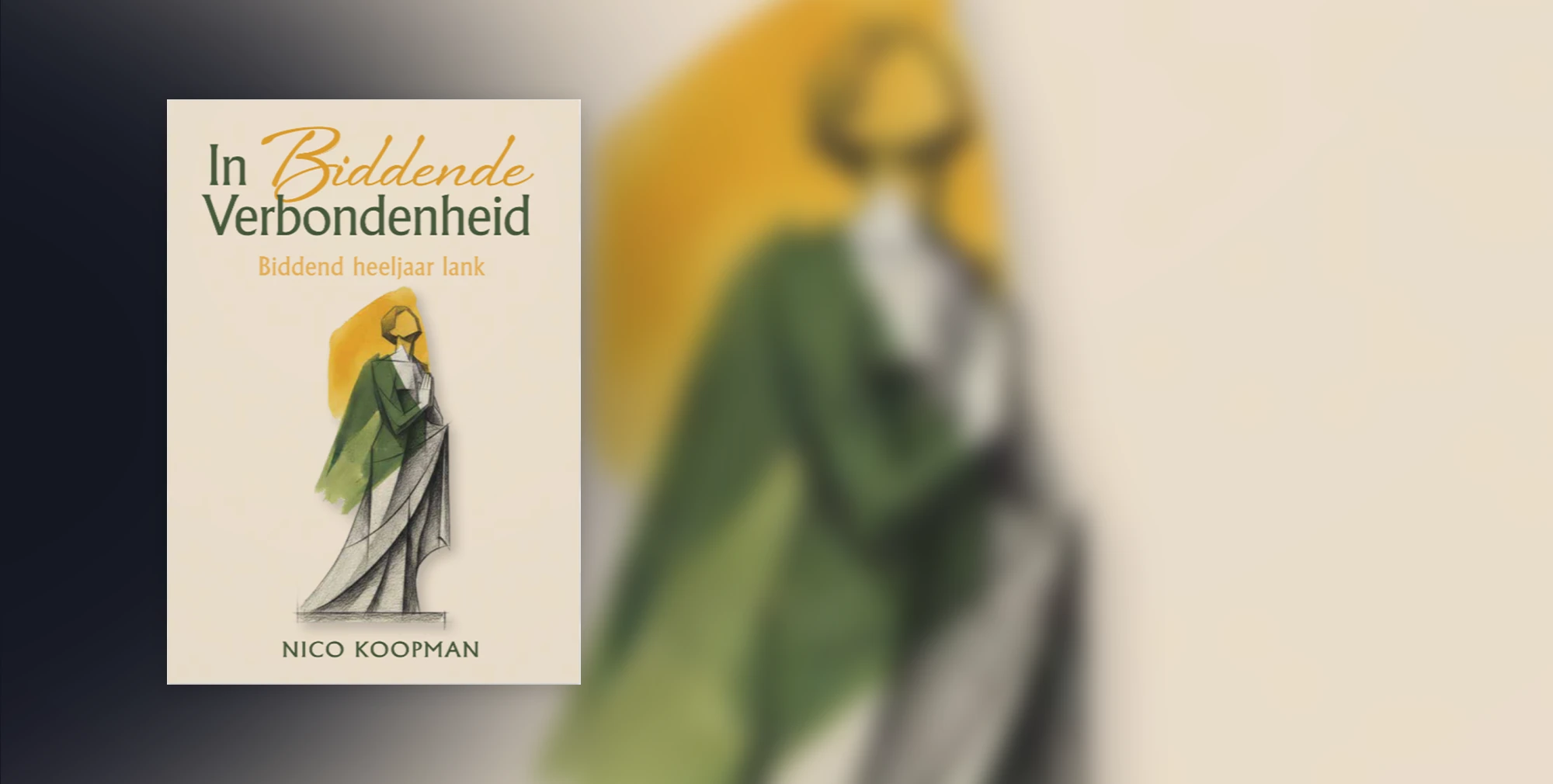
In a world marked by injustice and suffering, Nico Koopman reclaims prayer as a transformative force. Written during the South African student uprisings, these 52 weekly prayers offer a year-long journey that shapes conscience and action. Drawing on thinkers like Karl Barth and Stanley Hauerwas, prayer becomes a form of protest and resistance. Addressing issues like racism, inequality, and ecological crisis, the book invites readers toward courage, compassion, and active faith – calling them to become agents of justice, dignity, and renewal.
Prof. Nico Koopman is Deputy Vice-Chancellor for Social Impact, Transformation, and Staff at Stellenbosch University and professor of Systematic and Public Theology. Formerly a minister and vice-rector, he is a widely published scholar, founding member of the Global Network for Public Theology, and senior research fellow at Princeton, focusing on public theology, restorative justice, and human dignity.
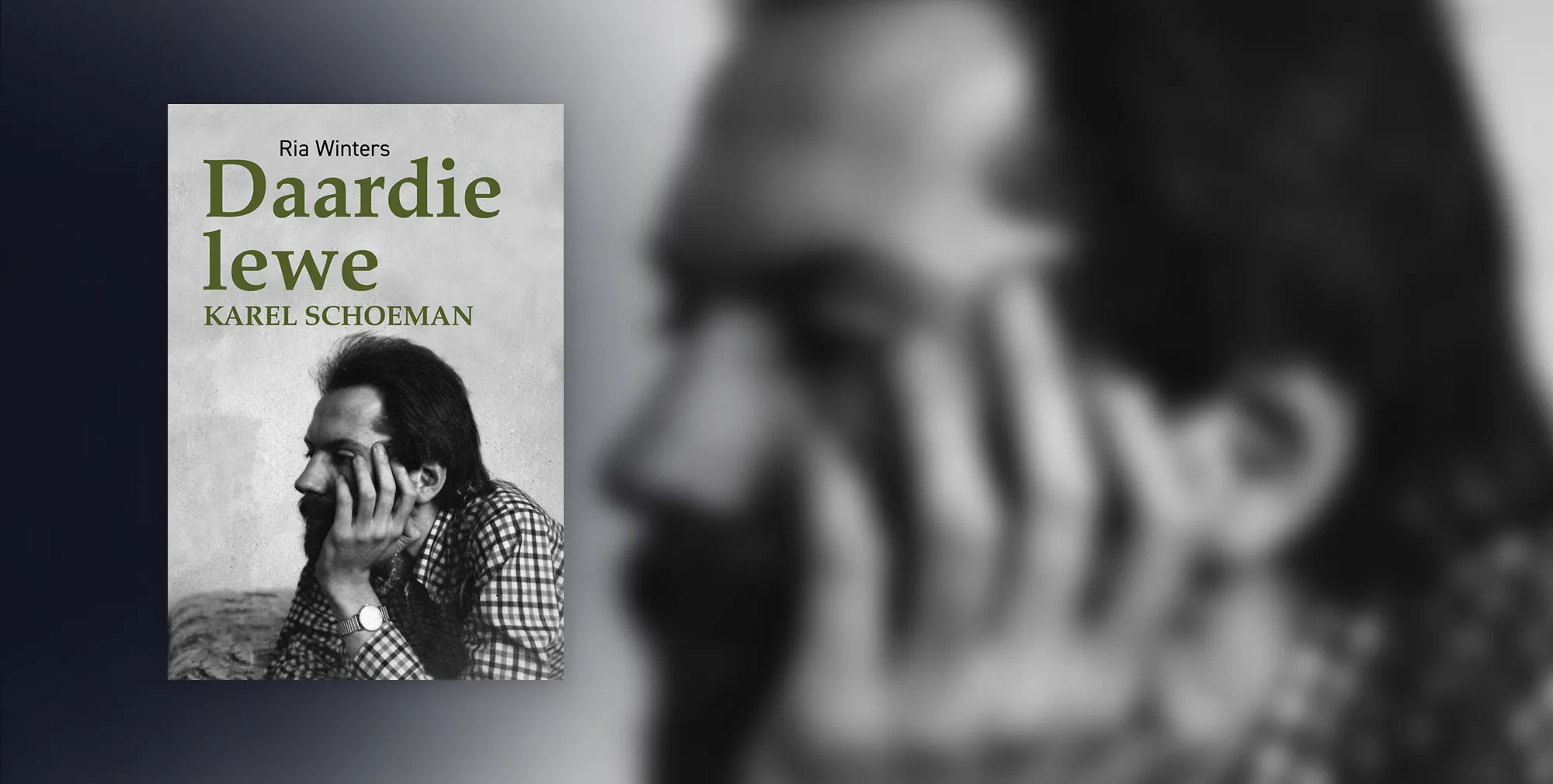
Karel Schoeman is one of South Africa’s most important writers, known for the quality and scope of his work across genres. In Daardie lewe, Ria Winters draws on new archival, newspaper, and correspondence sources to illuminate his life and work. She examines his autobiographical writing and books, filling in the years after Die laate Afrikaanse boek. The biography situates his life within South African history and includes photographs, endnotes, and a bibliography.
The Dutch historian Ria Winters is affiliated with the University of Amsterdam and lives in Amersfoort. Her interest in Schoeman’s work, as well as the Afrikaans language and literature, began through her correspondence with him from April 2014 to 1 May 2017. Daardie lewe is Winters’s second book on Schoeman. The first was Reise met Schoeman: In die voetspore van die skrywer (Protea Boekhuis, 2020).

The author of Die Menslike Dieretuin publishes a new book that weaves together three strands of human development – biological, ecological, and technological. François Durand traces humanity’s journey from the African savannah to the brink of the Sixth Extinction, highlighting the ecological consequences of technological progress, from stone tools to agriculture. Unlike optimistic narratives, he shows how civilisation’s peak – art, science, and culture –was reached at nature’s expense, and how our triumph may ultimately become our downfall.
Prof. François Durand of the Department of Zoology at the University of Johannesburg is widely known for his four decades of radio talks and public lectures on nature, health, and history, and for his regular appearances onRSG. An accomplished artist, his work appears in books, stamps, and gold coins. His latest book, Nemesis, is richly illustrated.
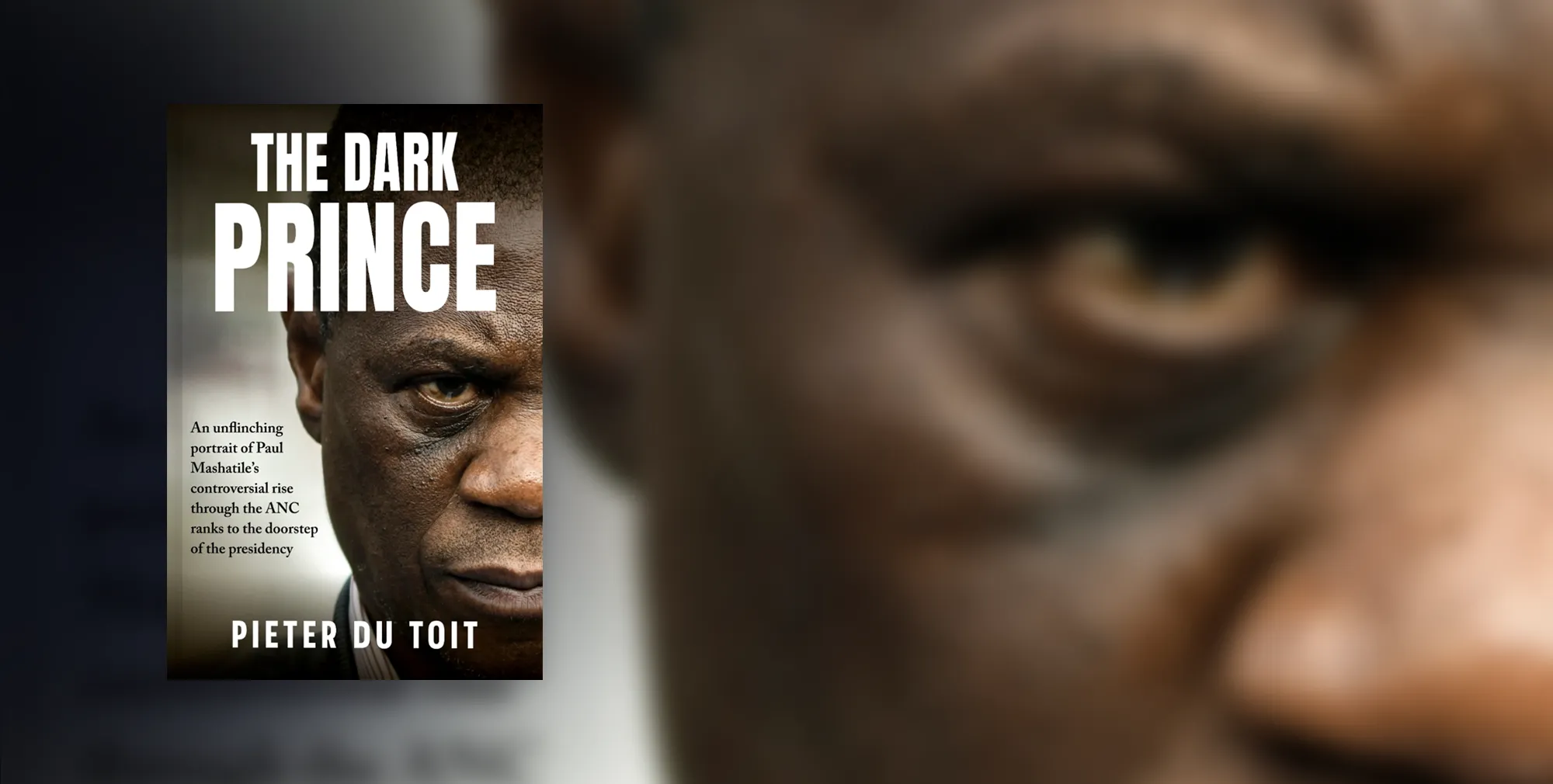
Having survived scandal, controversy, and the Zuma years, Paul Mashatile has risen through the ranks to the doorstep of the presidency. Over a 30-year political career, he has successfully navigated the corruption and factionalism that the ANC is known for. Now he wants to take charge of the party – and the Union Buildings. The question is: Should he? Is Paul Mashatile suitable for the highest office?
Pieter du Toit is the author of the bestselling books The Stellenbosch Mafia and The ANC Billionaires. He is the deputy editor of News24.com.


