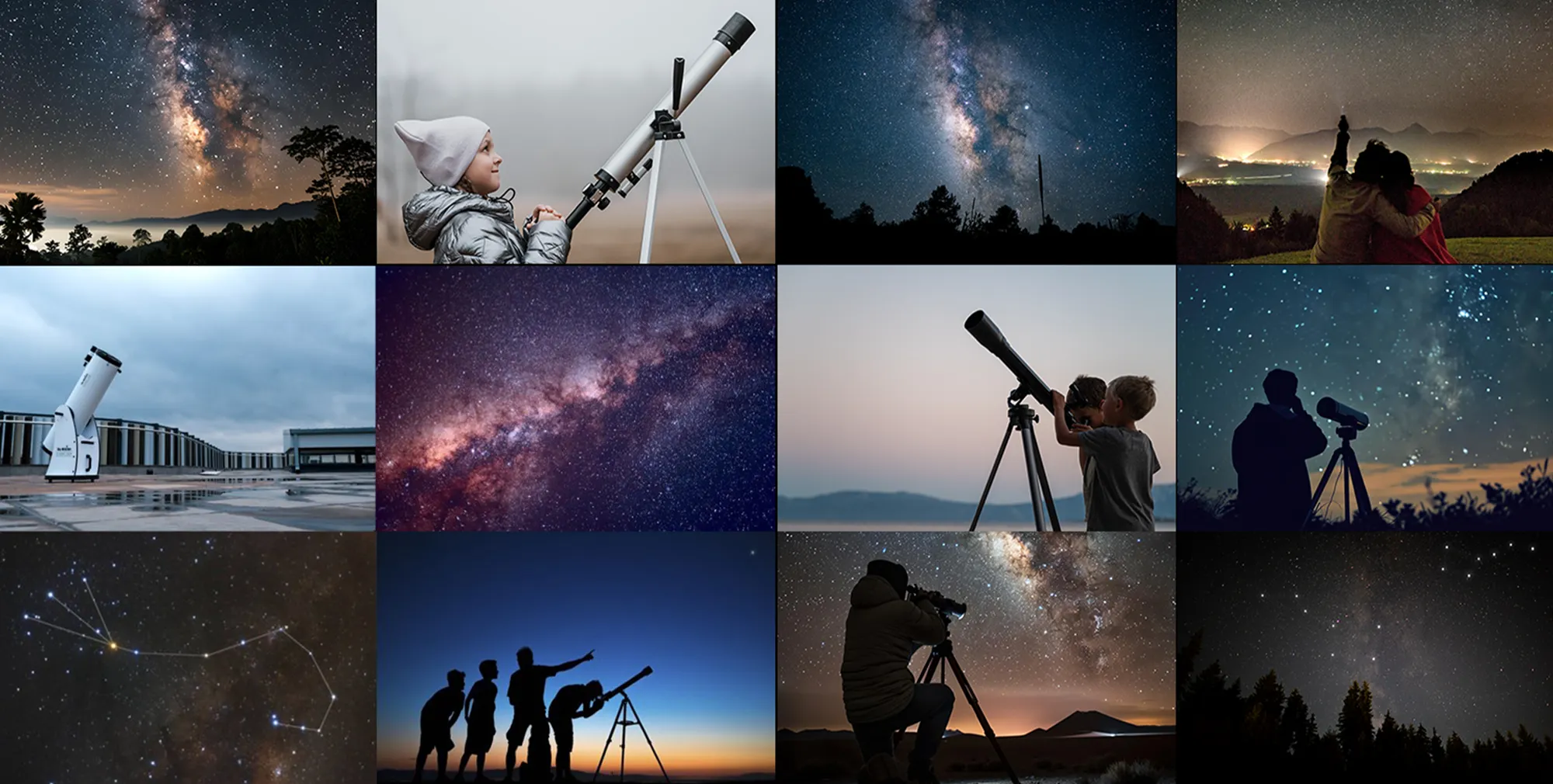
Explore the Bloemfontein night sky from the Sci-Ed rooftop. Sci-Ed invites you to informal stargazing events, whether you are a seasoned astronomer or simply interested in the Bloemfontein night sky. Apart from naked eye observations, we will also look at celestial objects through a 10” Dobsonian telescope.
Children under the age of 16 should be accompanied by an adult.
Limited space: 60 participants per session.

Come and enjoy exciting demonstrations of science concepts in action. The fun activities and experiments are aimed at edutainment that will encourage curiosity and inquiry among the young and old.

In this make and take event, you will build your own replica parachute from household material and then launch it from the Sci-Ed rooftop to see who can hit the target!
Children under the age of 16 should be accompanied by an adult.
Limited space: 24 participants per session.
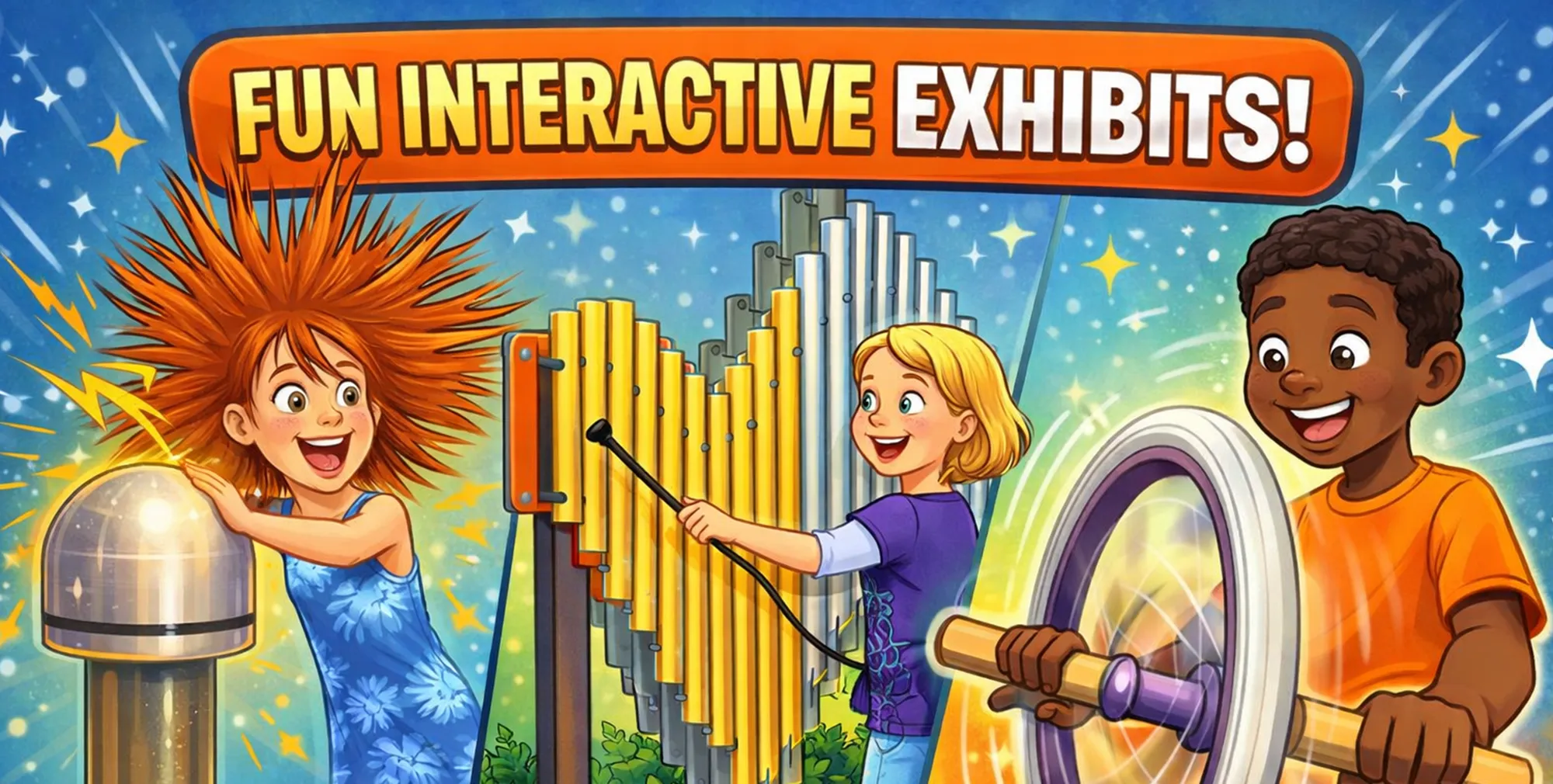
Visit the Sci-Ed Science Education Centre to experience science, technology, engineering, art and mathematics through hands-on, interactive and experiential activities. Engage with multiple interactive exhibits and educational displays at the outdoor Science Park and indoor Science Discovery Centre.
Children under the age of 16 should be accompanied by an adult.
The exhibits are open daily from 10:00 to 16:30.
Jump into an animated adventure following a girl and her crow companion as they explore what makes the human brain so special. Together you’ll zoom along the paths of neurons, find out how human and animal brains differ, and experience illusions on a grand scale! Along the way, you’ll learn how your brain makes you, well, you, and see that ultimately, we each have the power to change our brains.

Potentially hazardous near-earth objects are asteroids and other space debris within about 50 million km of Earth that could be large enough to cause mass casualties and damage to the planet. Depending on their size, speed, angle, and impact region, these objects could threaten billions of lives on impact and in the ensuing tsunamis, earthquakes, and fires. Then there’s space weather … And what is beyond the solar system? Do we have ways of dealing with these threats?
Potentially hazardous near-earth objects are asteroids and other space debris within about 50 million km of Earth that could be large enough to cause mass casualties and damage to the planet. Depending on their size, speed, angle, and impact region, these objects could threaten billions of lives on impact and in the ensuing tsunamis, earthquakes, and fires. Then there’s space weather … And what is beyond the solar system? Do we have ways of dealing with these threats?

This full-dome film, Passport to the Universe, narrated by Tom Hanks, takes audiences on an unforgettable voyage through billions of light-years. This is an incredible journey from our home planet in the Milky Way Galaxy to the edge of the Universe. Recommended for children aged three to seven.

Young visitors can join Ted and his flower as we explore the conditions on different planets and discover which one is best for Ted to plant his flower. We visit the Sun, Mercury, Venus, Pluto, Mars, Earth, the Moon; also Jupiter, Saturn, Uranus, and Neptune.
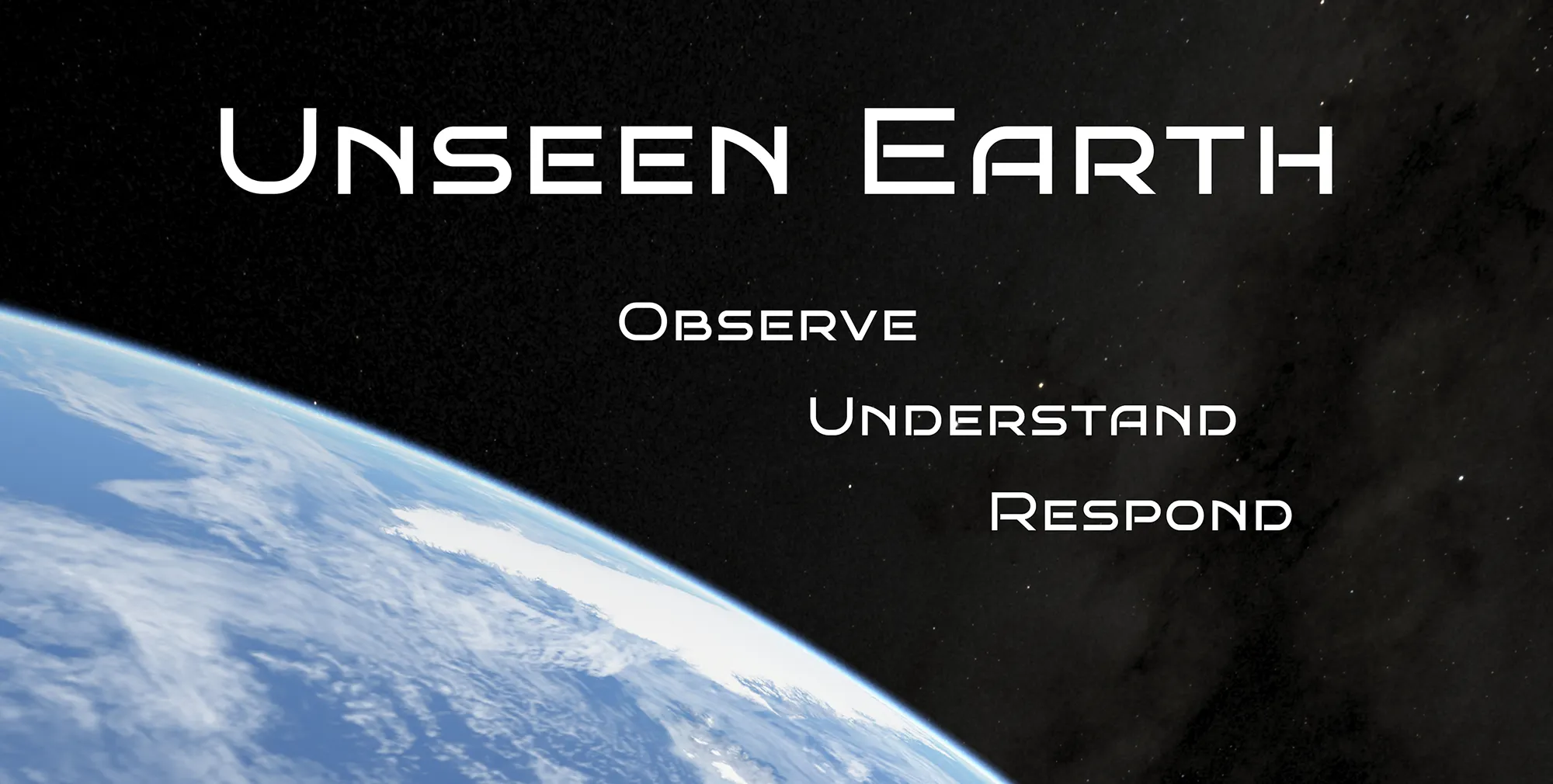
What does the Earth look like? When you close your eyes, you likely imagine a blue planet floating peacefully in space. Our perception of Earth has been continuously evolving. In the crystal-clear lenses of satellites, our planet reveals itself in unexpected colours and patterns, providing enormous amounts of data. Continuous advancement in satellite technologies and coordinated global Earth observation programmes empower us to monitor our planet more accurately than ever before and respond more effectively to its ongoing transformations.


