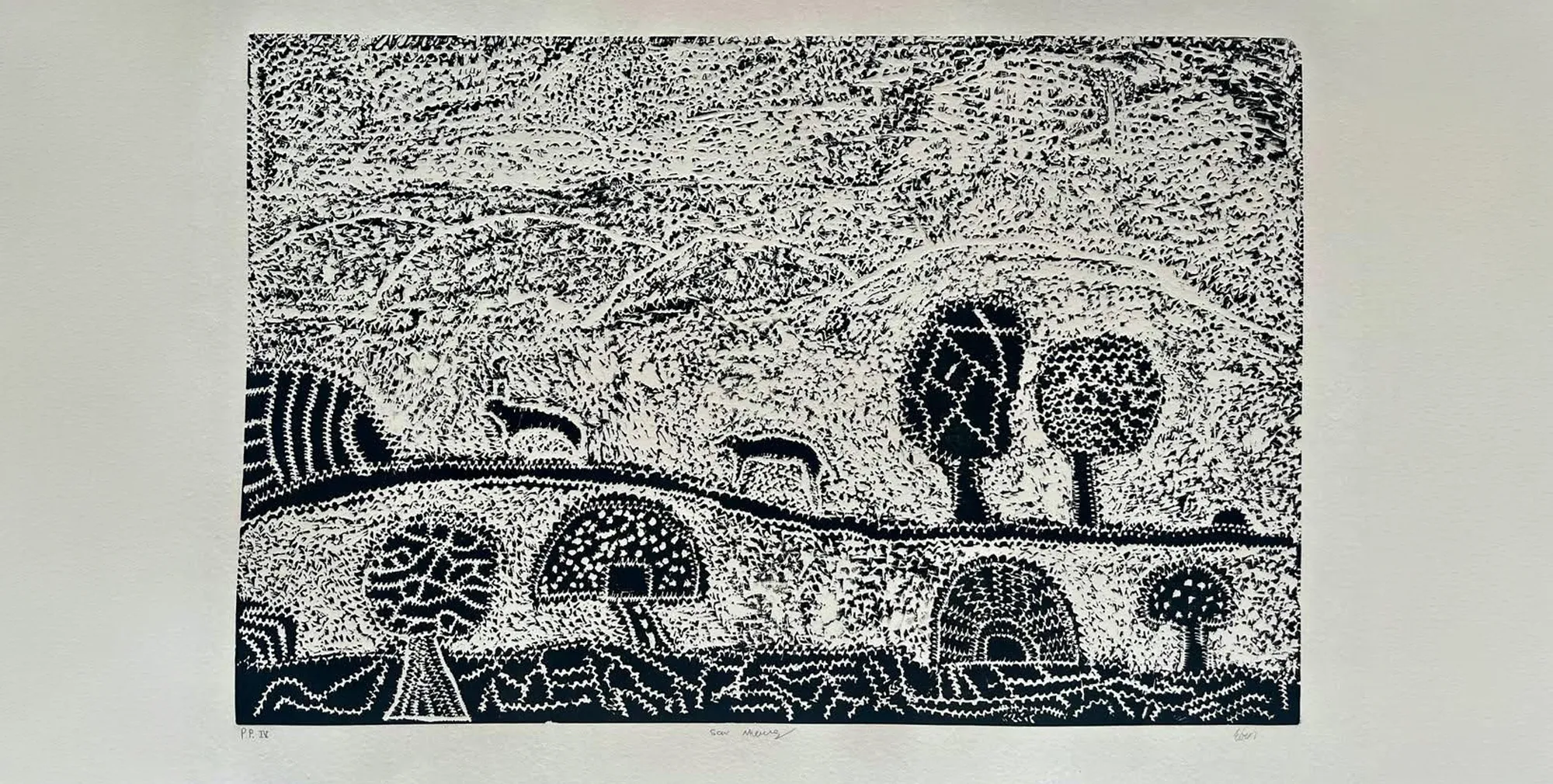
Platfontein, home to the !Xun and Khwe peoples, holds rich traditions, languages and oral histories that remain vital expressions of cultural identity despite displacement and ongoing challenges. Since 2017, the Platfontein Print Project, initiated by the Free State Arts and Health Programme, has brought young artists and community elders together to transform traditional stories into linocut print editions. Through mentorship, training, exhibitions and creative collaboration, the project preserves cultural knowledge while fostering new generations of artists and storytellers. Presented with the Isibindi Youth Centre, the initiative supports community pride, dialogue and wellbeing through ethical, community-driven arts practice.
Platfontein Print Project is an initiative of the Free State Arts and Health Programme at the International Institute for the Arts (IIA), University of the Free State, in partnership with the Isibindi Youth Centre, and the Vrystaat Arts Festival.
The exhibition is open daily from 09:00 to 18:00.
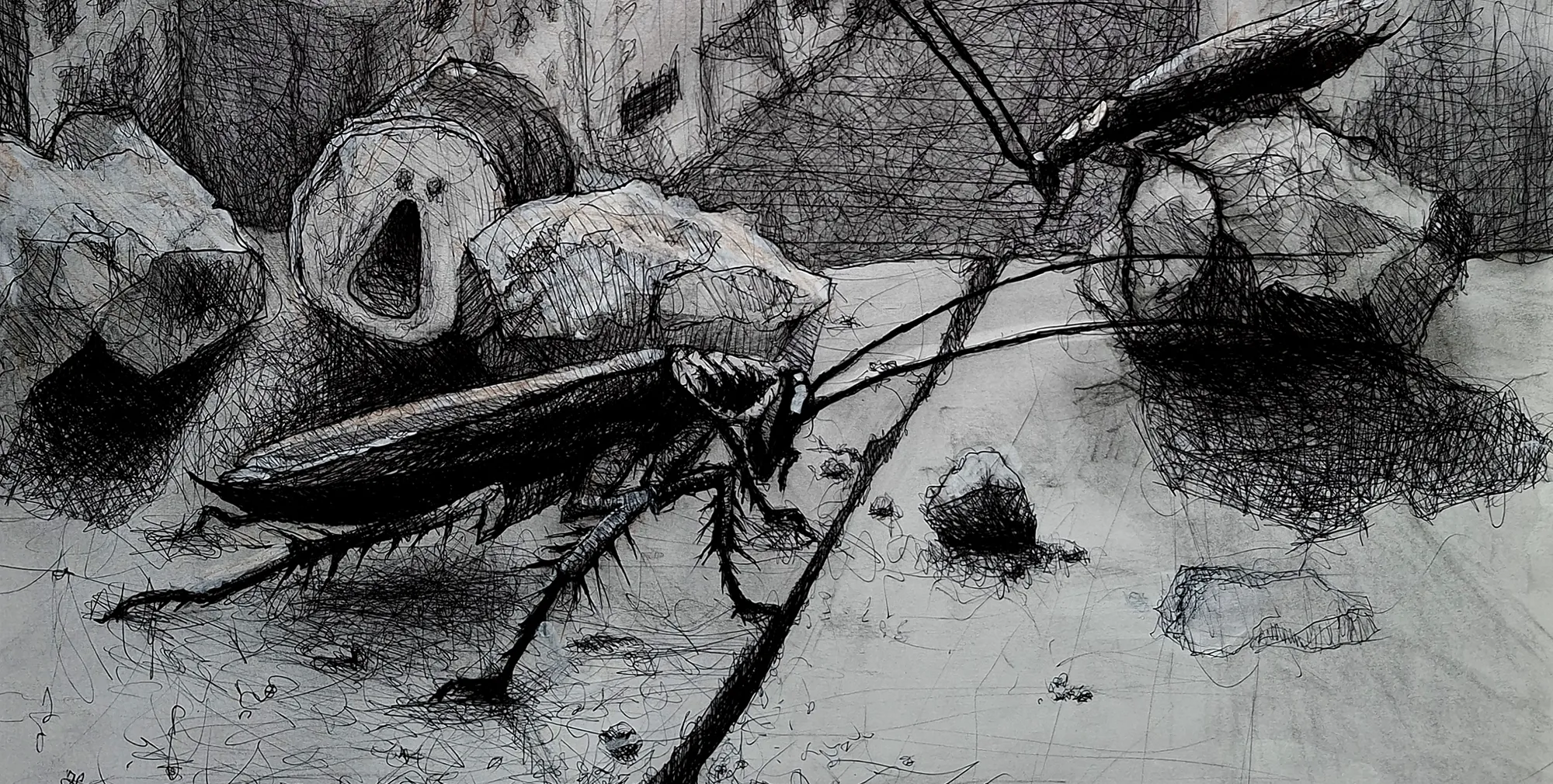
In his latest mixed-media exhibition, LEFT, South African artist Jacobus Silwer abandons the precision of his signature ballpoint and monochrome works by creating exclusively with his non-dominant left hand. The series becomes both a technical experiment and a meditation on language, vulnerability, and transformation. Through this deliberate process of “un-learning”, Silwer explores the tension between artistic intention and the resistance of the medium. The title LEFT carries layered meanings, inviting viewers to reflect on what is overlooked, discarded, or unconventional, and to reconsider the directional shifts and vulnerable moments that shape human experience and identity.
The exhibition is open daily from 08:00 to late.

Soil & Water is an international arts program collaboratively developed and curated by Prof. Johan Thom (University of Pretoria), Dr. Basak Senova, and the NIROX Foundation in South Africa. It proposes a dynamic, modular platform emerging from the Cradle of Humankind to rethink, reimagine, and reconfigure our fragile relationship with soil and water. Framed by ecology, storytelling, and material culture, it recognises that these relationships are culturally embedded, not merely scientific. The project seeks to generate ideas and actions for the sustainable transformation of our engagement with the natural world, its resources, and our place within it for future generations.
The exhibit is open daily from 09:00 to 18:00

Becoming Arable by Liz Voster explores the connection between personal transformation and care for the land. Inspired by the artist’s return to her family farm in the North-Eastern Cape, the exhibition reflects a renewed engagement with soil, labour, and agricultural rhythms. Through repetitive, labour-intensive drawings, Voster traces her evolving relationship with nature, land, and self, inviting quiet reflection rather than fixed interpretation. Central to the exhibition is a mound of carefully cultivated home-made soil, symbolising patience, decay, renewal, and care. Visitors may take a handful of soil and a seed from the artist’s personal seed bank, extending the work beyond the gallery into a shared act of environmental responsibility and nurturing the earth.
The exhibit is open daily from 09:00 to 18:00
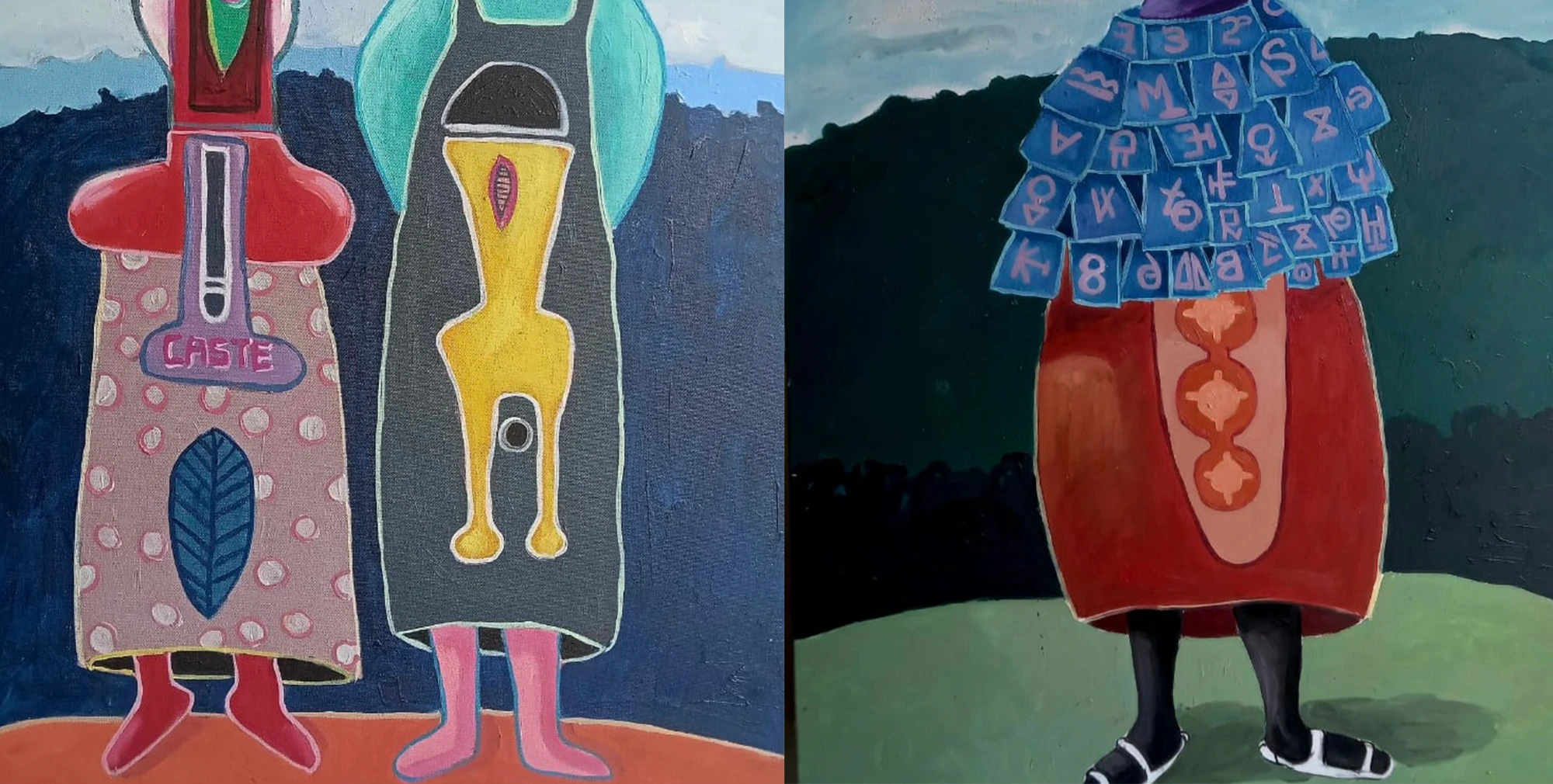
Underground Spiritual Game explores a symbolic visual language shaped by intuition and inner processes beyond words. Stylised, totemic figures – part human, animal, and archetype – suggest rather than fix meaning. Through layered signs, patterns, and colour, the works engage themes of spirituality, belief, and the unseen structures that shape experience. Though playful in appearance, they hold deeper complexity, referencing personal narratives, cultural memory, and identity. The exhibition resists singular interpretation, inviting viewers to navigate meaning for themselves. Each work becomes a contemplative space where symbols act as both markers and mysteries, encouraging intuitive engagement with underlying realities.
The exhibition is open daily from 09:00 to 18:00.

A screen print is more than the final image; it includes the entire collaborative process. Shaped by factors such as studio space, residency timelines, and technical possibilities, the work unfolds like improv theatre. Artists engage in spontaneous, unscripted dialogue, trusting one another’s expertise and responding to creative prompts. This dynamic exchange stretches their creativity and often leads to unexpected results. The selection curated for the Vrystaat Arts Festival highlights the range of possibilities within this process while showcasing each artist’s distinct visual language and the collective energy that drives the work.
The exhibition is open daily from 09:00 to 18:00.

Talk of the Village showcases Eastern Free State artists who explore community identity through mixed media. Using oils, pastels, recycled materials, soil, wire, and fabric, the works depict everyday village life, tradition, and cultural evolution. Styles range from realism to abstraction, reflecting personal and collective memory. Themes include Basotho motifs like Ditema, labor, cultural continuity, and practices such as lebollo. The exhibition celebrates heritage while engaging with contemporary village dynamics, emphasising communal values and the idea that a child is raised by a village, offering a reflective insight into rural life.
Presented by the Centre for Global Change at the University of the Free State.
The exhibition is open daily from 09:00 to 18:00.
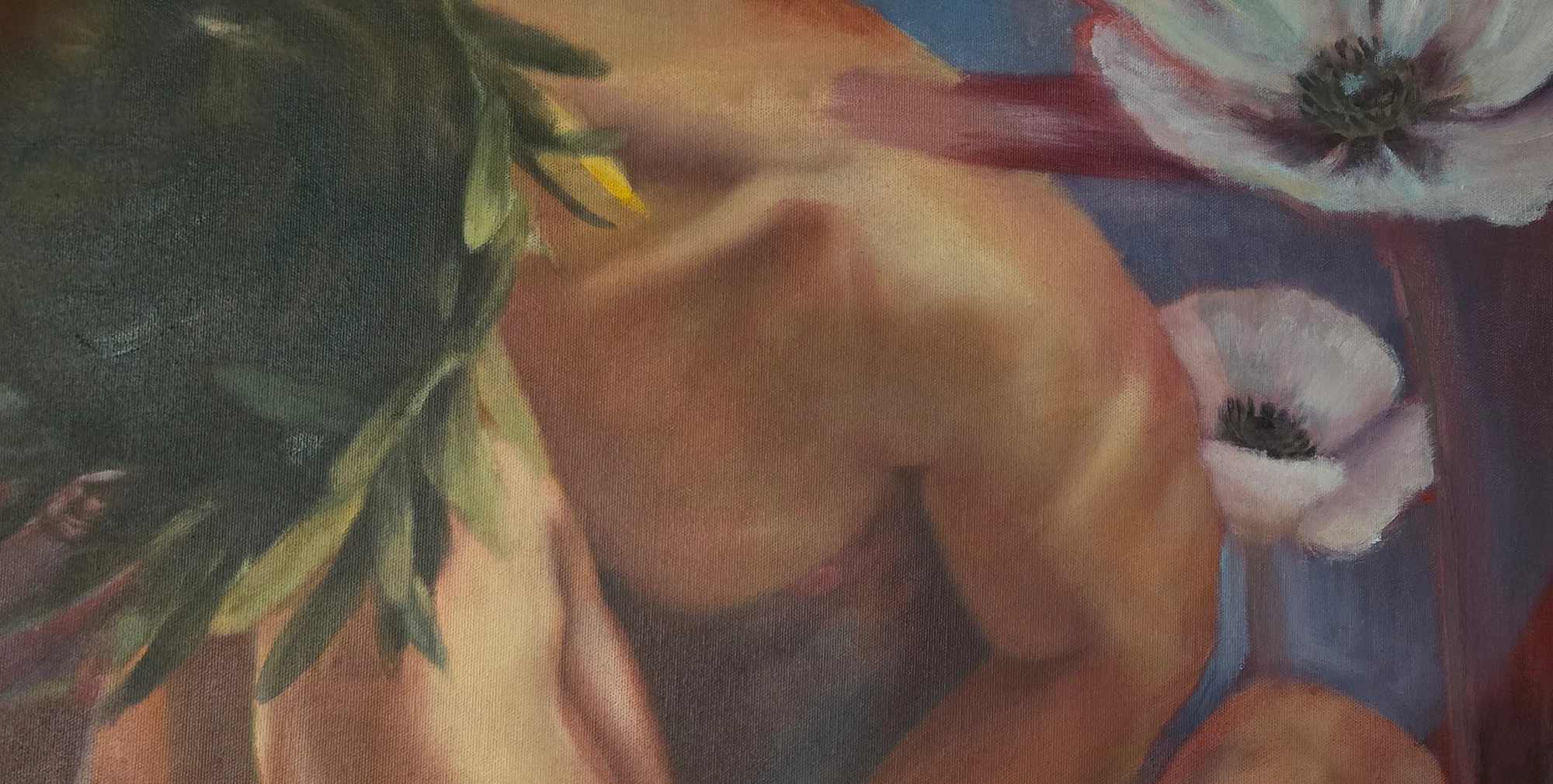
Lloyd Flanegan’s work explores personal transformation through alchemical symbolism, inspired by Carl Jung’s interpretation of the Magnum Opus – spiritual purification and individuation. Each alchemical stage, from calcination to coagulation, symbolises confronting fear, shame, and personal history. Using symbols, totems, and charms, Flanegan creates visual vessels representing transformation and self-discovery, emphasising becoming over fixed narrative. Rooted in self-mythology, the work reflects the artist’s evolving journey while inviting viewers to explore their own inner landscapes. The exhibition presents personal symbolism as a shared language, encouraging reflection on identity, resilience, and continual self-development.
The exhibition is open daily from 09:00 to 18:00.
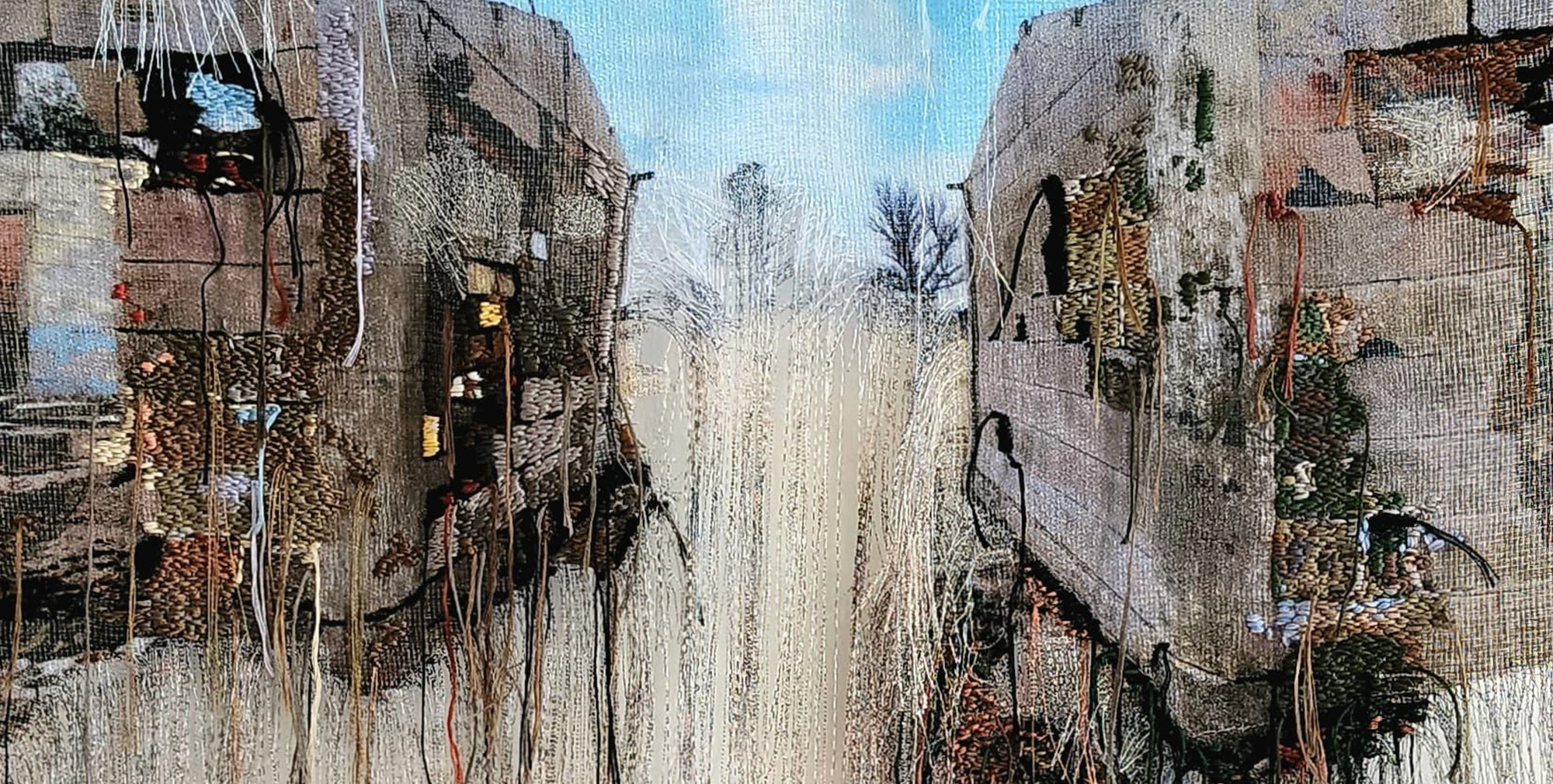
In Witnesses, Franli Meintjes examines both physical and psychological vulnerability within the context of a magic realist landscape. This imagined realm, infused with storytelling and mythology, embodies the paradox of being both a sanctuary and a source of dread. Drawing on her personal experiences of the South African landscape, she explores the interconnectedness of memory, place, and architecture through a fibre-based installation. Alongside these works, she creates figurative and abstract textured pieces using punch needle, tufting, and knot techniques. In contrast to depictions of architectural decay, these hanging fibre structures evoke qualities of evolving organic life.
The exhibition is open Monday to Friday (7-10 July), 08:00 to 17:00, and on Saturday (11 July), 09:00 to 16:00.
Opening: 7 July, 18:00
Walkabout: 8 July, 12:00 – 12:45

In this solo exhibition, Emma Willemse presents works responding to the Reservoir Gallery, an underground space once used for water storage. Central is her installation, 101 ways to long for a home, alongside large suspended works. The recurring boat motif explores meanings of displacement and migration. The award-winning installation, an ongoing project, comprises over 101 handmade sculptural books shown locally and internationally. Willemse’s practice examines place, memory, and identity, and how these shift through loss. Her work suggests voyages shaped by intangible forces, tracing the processes of human becoming and transformation.
The exhibition is open Monday to Friday (7-10 July), 08:00 to 17:00, and on Saturday (11 July), 09:00 to 16:00.
Opening: 7 July, 18:00.
Walkabout: 8 July, 13:00 – 13:45.


